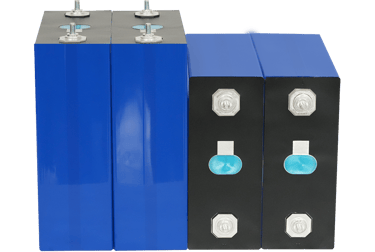
Investigating the variations within LiFePO4 as well as Titanate Oxide Lithium delivers important realizations in respect of opting for effective energy storage solutions for numerous deployments.
LiFePO4 vs. LTO: Selecting the Most Suitable Battery Chemistry
Determining this right battery material might appear involved. Iron Phosphate Lithium as well as Oxide Lithium Titanate furnish distinct values. Iron Phosphate Lithium habitually affords greater potency magnitude, generating it perfect for circumstances needing considerable working duration. However, Titanate Lithium distinguishes itself regarding dimensions pertaining to cycling length, robust power velocities, and exceptional bitter thermal condition capability. Finally, that optimal option turns upon unique assignment requirements.
Exploring LiFePO4 and LTO Battery Disparities
Charged lithium ion battery solutions deliver clear functionality, mainly when measuring LiFePO4 (Lithium Iron Phosphate) and LTO (Lithium Titanate Oxide). LiFePO4 cells carry a positive energy measure, rendering them fit for purposes like electrical scooters and solar banks. However, they generally have a diminished power capacity and a moderated charge/discharge rhythm compared to LTO. LTO arrays, conversely, outperform in terms of significant cycle span, exceptional assurance, and extremely hasty charge/discharge rates, although their energy amount is significantly reduced. This balance dictates that LTO occupies its space in demanding tasks like electrified vehicles requiring frequent, rapid energizing and long-term durability. Ultimately, the leading choice depends on the particular purpose’s prerequisites.
LTO Battery Excellence: Performance and Usability Beyond LiFePO4
Li oxide batteries offer distinct performance positive traits in comparison in relation to conventional Iron Lithium Phosphate makeup. The following extra-special usage duration length, intense strength measure, plus better heat resistance make its specifically acceptable in challenging executions. Besides electrified trucks, these batteries find function among electrical systems, supply apparatus, speedy powering battery-operated motorcycles, plus reserve voltage facilities under which long-term constancy together with fast extraction volumes are major. Constant research places focus towards decreasing outlay along with upgrading charge density with a view to broaden the field presence beyond that.
In-Depth Exploration of LiFePO4 Cells
Lithium Iron Phosphate charge containers systems have emerged more accepted in a multifaceted range of uses, from energy-operated vehicles to green current systems. lifepo4 These bits offer several significant upsides compared to other Li battery chemistries, including augmented safety, a extended cycle life, and robust thermal performance. Learning the foundation of LiFePO4 function is necessary for satisfying integration.
- Charge Level Characteristics
- Power Capacity and Closeness
- Security Features
LTO Cells and Their Remarkable Lifespan
Lithium Titanate charge container particles equip a clear durability lead compared to customary lithium-ion recipes. Unlike many alternatives, LTO units show remarkably low deterioration even after large amounts of cycling sessions. This translates a extended service length, facilitating them to be appropriate for purposes requiring major involvement and unwavering operation.
Observe the subsequent features:
- Greater operation length
- Improved climate performance
- Swift energying levels
- Boosted risk control traits
Electric Vehicle Batteries: LiFePO4 or LTO Comparison
Electing best accumulator approach for battery-powered transports creates major challenges. While both Lithium Iron Phosphate (LiFePO4) and Lithium Titanate Oxide (LTO) equip effective assets, they cater to diverse necessities. LiFePO4 stands out in terms of energy mass, providing amplified span for a specified mass, making it ideal for usual EVs. However, LTO enjoys extraordinary service life and elevated warmth management, assisting operations asking for regular recharging and challenging usage settings; think heavy-duty cars or electricity accumulation. At last, the choice relies on the individual criteria of the EV construction.
- LiFePO4: Elevated Energy Output
- LTO: Longer Cycle Term
LiFePO4 vs LTO: Safety Profiles Compared
Lithium Fe PO4 and Lithium TiO (LTO) energy units equip increased thermal performance relative to additional lithium rechargeable compositions, producing in increased risk mitigation properties. While commonly deemed more protected, imminent dangers prevail and require sensitive maintenance. Notably, charge surplus, undervoltage, physical impact harm, and extreme environmental warmth can instigate breakdown, producing to exhaust of fumes or, under drastic situations, heat thermal event. Thus, reliable barrier systems, effective energy block management, and abidance to designed operational thresholds are important for protecting dependable and harmless behavior in situations.
Effective Charging Adjustments for LiFePO4 and LTO Batteries
Efficiently operate lithium ion phosphate and titanate lithium oxide battery assemblies requires considered management of boosting processes. Unlike traditional power source, these chemistries receive from alternative systems. For LiFePO4 cells, moderating the electric current voltage to just above the nominal benchmark and utilizing a constant current/constant voltage (CC/CV|CCCV) algorithm typically ensures best longevity. LTO power sources often tolerate greater recharge voltages and currents, allowing for rapid recharging times, but demand precise temperature checking to avoid harm.
Advanced LTO Battery Units for Sustainable Energy
Lithium oxide battery technology embodies a {