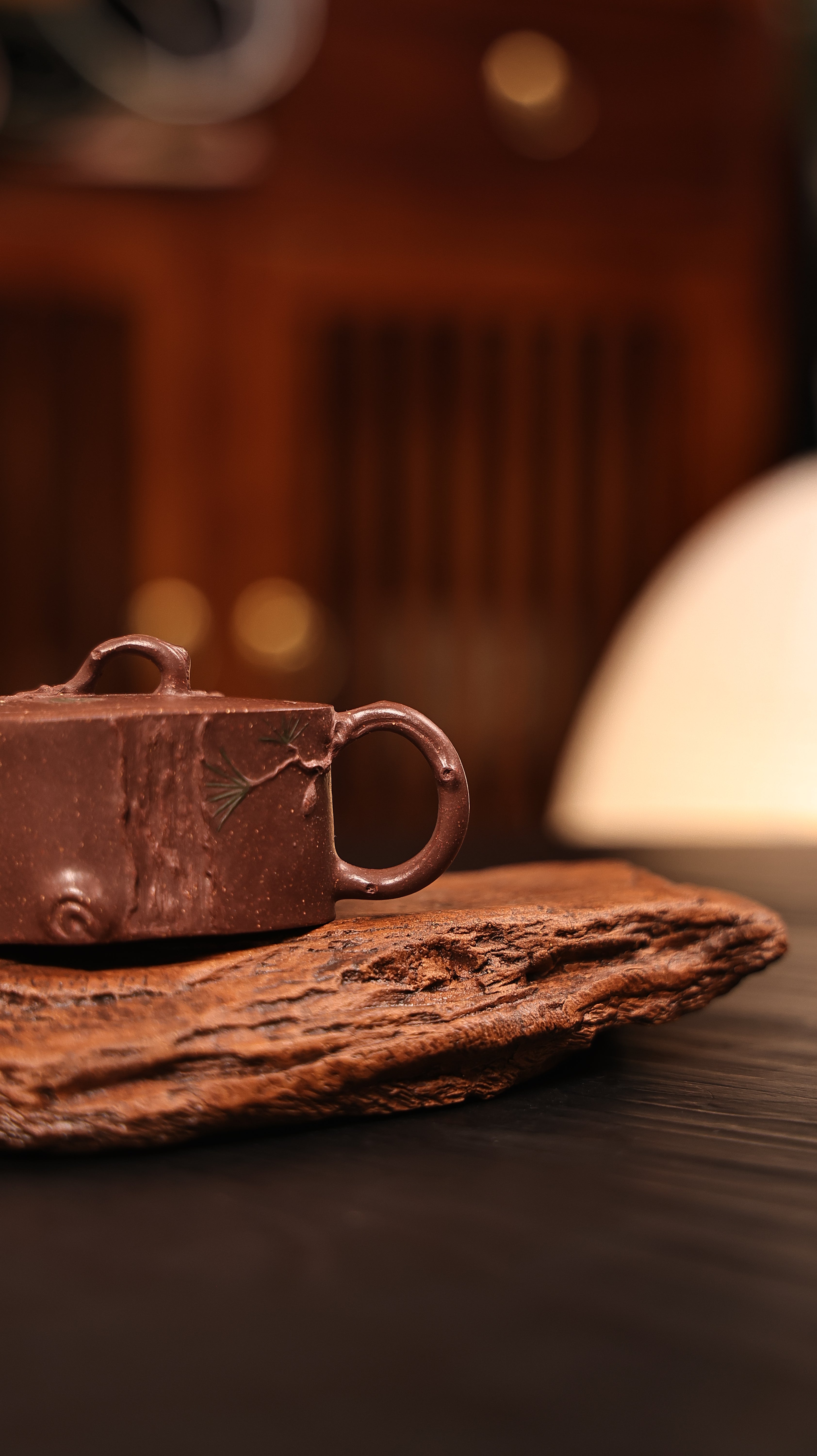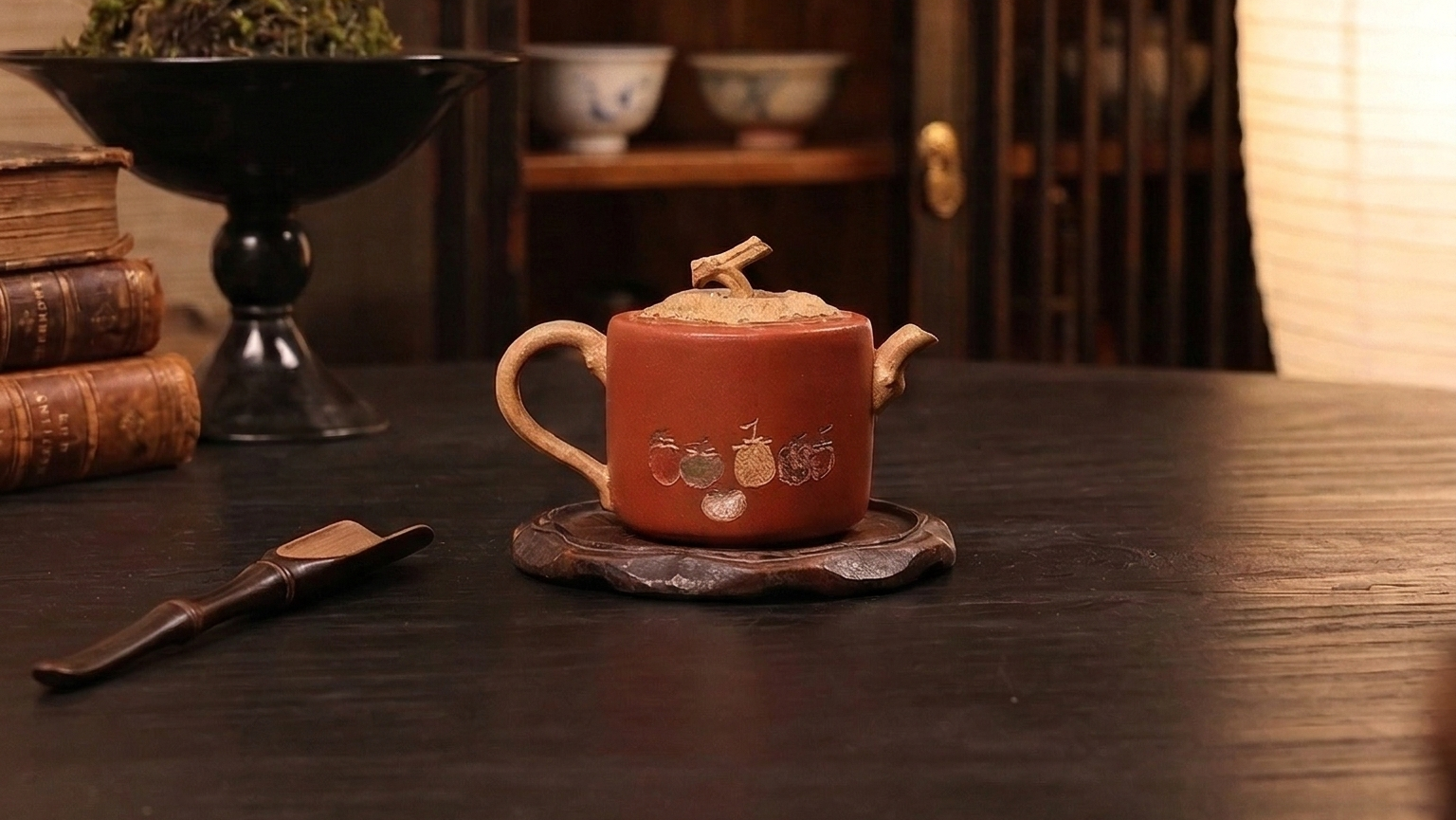
Embarking such in-depth inspection about Issing Zi-sha ceramic vessels delivers this engaging mixture among technique in conjunction with serviceability.
Yixing Zisha teapots hold an unmatched allure relating to curators globally. Those remarkable earthenware containers, sourced from the distinct Yihsing locale inside Jiangsu territory, China, serve as more than just tea apparatus; they function as works of beauty and cherished significance. Distinct finely selected clay, known under the name Zisha, imparts a delicate flavor upon the tea, and the fancy designs, often exemplifying traditional Chinese elements, enhance their inherent value. Possessing a genuine Yixing Zisha teapot presents a gratifying journey, demanding careful inspection and an cognizance of the diverse factors influencing their specialness.
Investigating Yixing Vessels
Yihsing pottery vessels boast a deep history deeply interwoven with Chinese civilization. Originating in Yixing, Jiangsu territory, these pots are crafted from a unique, porous purple dirt found only in that designated location. Their development began during the Ming time, with master craftspeople refining the means over ages. Different types appear, including the classic Hexiang (resembling crab shells), Zhuni (red-brown hue), and Duan Ni (stone-studded) – each with distinctive appearances. The cost of an Yixing ceramic vessel isn't solely based on its size or decoration, but also on the designer’s reputation, the terracotta's quality, and the pot’s age and condition. Gatherers often seek out older examples, believing they enhance the savor of the infusion brewed within them over time, Yixing Teapot further adding to their renown.- Classic Tea Containers
- Earth-Toned Brewing Vessels
- Pebble-Embedded Tea Containers
Zisha Teapot Mastery: Skill & Styles
A assembly of Zisha teapots represents a peak of Chinese ceramic ability. Skilled artisans employ historic techniques, often passed down through heritage, to unlock the full character of this unique clay. Practices involve meticulous molding by hand, often combined with the wrapping method, followed by precise kilning at incredibly elevated temperatures in wood-fired kilns. Beautifying is equally crucial; artists utilize intrinsic clay colors and may incorporate incising work to depict intricate scenes or patterns, demonstrating a profound understanding of the material’s features and presence. The resulting teapot isn't merely a vessel for tea, but a testament to a significant cultural lineage.
Classical Vessels: This Outline to Yixing Zi Sha
Unveiling the world of Ancient teapots often leads with Yixing Zisha. These rare clay vessels are manufactured from a specialized type of clay obtained only in the Yixing region of Jiangsu province. Renowned for its unique reddish-purple hue and extraordinary attributes, Zisha clay injects a subtle flavor to the infusion and matures with age, maturing into a cherished prized possession. Holding Yixing Zisha teapots is more than just owning a attractive object; it’s a honoring of legacy and technique.
Venturing into certain Ceramics: Sincerity & Progression
Engaging in the arena of Yixing Zisha pottery can be both rewarding, but requires a keen eye. Accuracy is paramount; abundant reproductions manifest, habitually artfully constructed. Becoming knowledgeable about old-fashioned cooking practices, defining soil features, and the signatures of reputable manufacturers is fully essential. Besides, comprehending the details of the value swing – influenced by conditions such as heritage meaning and the state of the componentry – is decisive to fruitful collection.
- Researching roasting heritage.
- Engaging experts for attestation.
- Evaluating sales dynamics.
That Skill of Preparing with a Ceramic Brewer
This original allure of a Zisha equipment lies not just in its exquisite appearance, but also in its distinguished impact on the aroma of the beverage. These vintage clay earthenware, sourced from specific regions of China, possess a native porosity that gradually interacts with the drink and leaves, imbuing the beverage with a delicate character. Mastering the skill requires a mindful approach, understanding how the mineral responds to diverse thermodynamics and plant types, ultimately leading to a truly rewarding tasting journey.
Upkeeping The Possession
Proper maintenance of your Yixing brewing pot is critical to securing its lifespan. These extraordinary teapots, crafted from exceptional Yixing clay, accumulate a patina over periods that elevates their importance. Occasionally rinse the body with soft water, avoiding detergents, and never use severe scrubbing tools. Occasional gentle dusting with a plush cloth can aid in wiping away stains. Allow your container to absolutely dry after each occasion
Explaining Yixing: Factors Particular Kettles Stand for Exclusive
The famous appeal of Yixing teapots derives from the exclusive properties of Zisha clay, mined solely near Yixing, Jiangsu. This distinct clay, consisting of ferruginous ceramic , holds a atypical combination of components that, as time passes, incorporate the character of the tea it contains. This produces a exceptional note for each teapot, allowing it a importance far exceeding its beginning price and supporting to their honored status among collectors.
Locating the Suitable Oriental Earthenware: A Ceramic Directory
Venturing into the world of Purple clay teapots can feel complicated, but understanding the baselines is imperative to selecting a treasured piece. Such clay, sourced mainly from the district of Yixing, the Jiangsu area, is celebrated for its exclusive grain and ability to boost the essence of the beverage over age. Assess the silhouette, the brightness, and the artistry; a bona fide Zisha teapot is more than just a urn; it's a decorative object and a manifestation of eastern culture. Seek the inscription of the maker for clues to its provenance and potential value.