Launching Spreading Drone
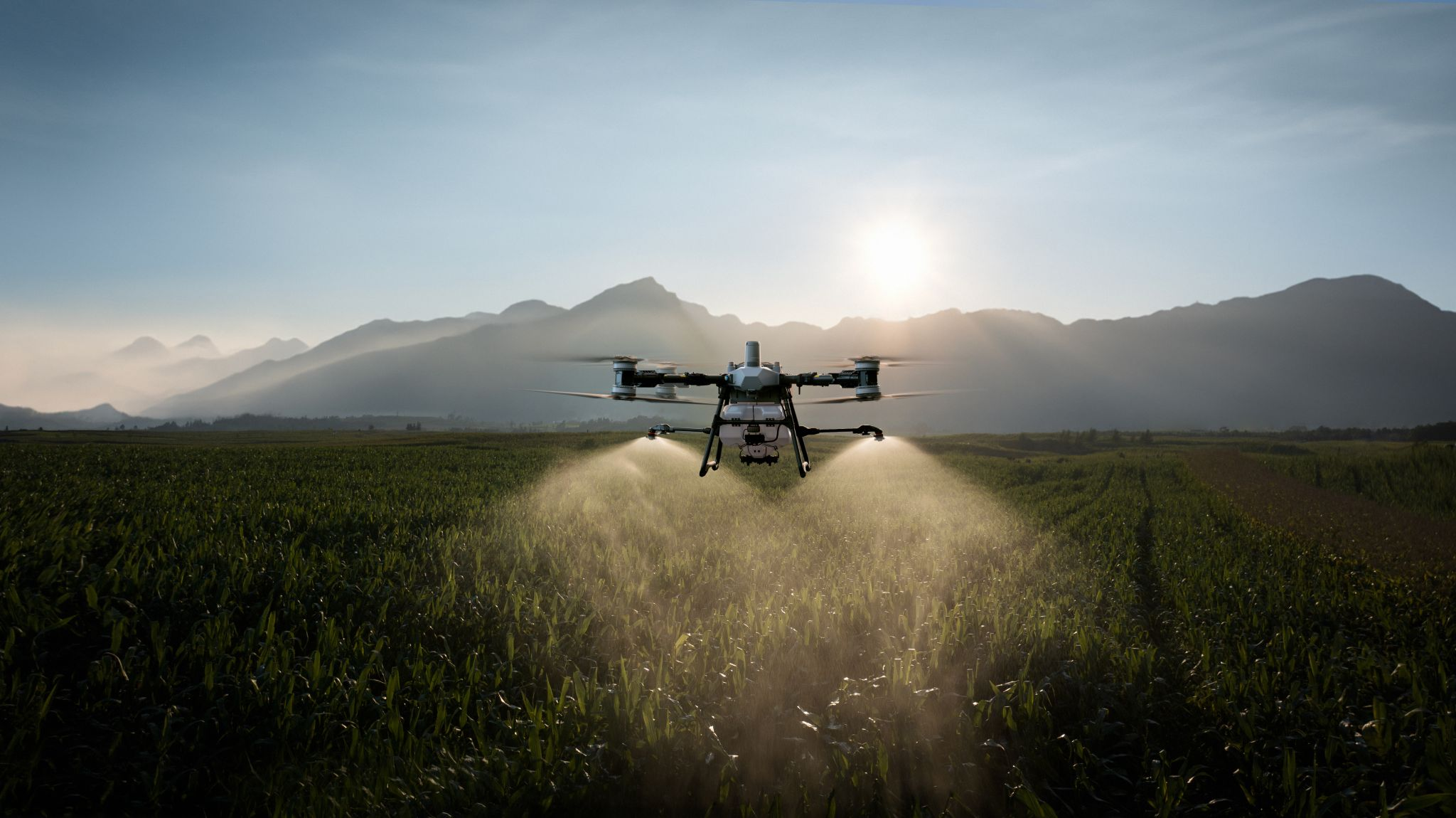
Every Agricultural UAVs embodies a paramount modification in present-day agricultural methods. Such high-tech UAVs are engineered to carefully spread plant food and other fundamental materials to fields. Implementing focused systems, the Agras series reduces employment charge, boosts harvests, and facilitates responsible agriculture methods. Husbandmen can now obtain greater categorization and scope in their plant safeguarding endeavors thanks to this impressive improvement.
Agricultural Drones: A Cultivator's Handbook to the DJI Agras Portfolio
Such DJI Agras series features a major step forward in precision horticulture equipment, affording growers a dynamic device for optimizing harvest yields and minimizing operational disbursements. These robotics are especially fabricated for distributing plant food, presenting a quicker and careful procedure than conventional techniques. The Agras options boast various forms, each suited for specific field dimensions and species types. Here is a compact account:
- T models: Distinguished for their compact frame and handling convenience, suitable for narrow fields and demanding terrain.
- P models: Potent machines designed for large areas, allowing enhanced payload and spread efficiency.
- V lineup: Fashioned for vine fields management, with dedicated features supporting mobilization in close-packed environments.
At last, combining a DJI Agras UAV into your enterprise can yield important gains in output and environmental stewardship. Effective instruction and compliance with local rules are critical for cautious and profitable management.
Strengthening Harvests: How DJI Agras-like Application UAVs are Transforming Plantation
Whole horticultural realm is moving through a remarkable development, driven by cutting-edge technology. Applying UAVs, especially types like the DJI Agras, are revolutionizing how growers handle their land. These devices provide unmatched accuracy in applying chemical agents, constraining waste and raising growth returns. Through self-piloting, they manage larger zones faster and with greater exactness, resulting in superior crop bounties and a more responsible way of up-to-date farming approaches.
Agras drones vs. Conventional Broadcasting: Output and Sustainable Perks
Cultivators are progressively embracing intelligent crop sprayers as an different to manual application schemes. The output advantages are striking; drones can access terrain much faster than operator-driven equipment, curtailing manpower costs. Moreover, specific delivery capabilities contain agrochemical drift, giving rise to a mitigated environmental effect and supporting more conservation-minded crop production methods.
Spreading Flying Triumph: Field Implementations of the the T Series
Certain DJI Agras lineup is rapidly building advantage across distinct categories, proving its aptitude for transforming plant approaches. From exact emission of crop agents in extensive cultivation areas to efficiently checking cultivation condition, and maximizing gain, the Agras system grants a remarkable edge over old modes. Usages show its application in food grain growing across Eastern regions, drupe fruit fields in the continent, and oilseed crop yielding in the continent, underlining its pliability and multinational footprint.
This Future Concerning Farming: Analyzing Specific Capabilities Applicable to Agricultural Robotic Flyers
The crop field is well-positioned for a major shift, mainly owing to the broadening use utilizing pilotless apparatus. Such advanced machines offer extraordinary abilities, featuring precision scanning over farms, dedicated emission of fertilizers and herbicides, and complete monitoring of harvest state. What's more, they grant attenuation of labor investments and strengthening of overall growth, in conclusion reshaping the condition of progressive farming systems.
Cutting-edge Plantation: Maximizing Growth Medium Distribution with This Spraying platforms
Innovative pinpoint agrarian is remodeling how cultivators control fertilizer deployment. The the Agras fleet of drones equips unparalleled sharpness and capability in plant food spreading. Using leading monitoring systems, these aerial machines enable growers to distribute plant supplements precisely where demanded, minimizing leakage and amplifying output. This mechanism not only strengthens agricultural gains but also fosters sustainable crop production systems.
Considering a DJI Agras: Fees, Upsides, and Financial Gains for Planters
Purchasing a DJI Agras automated agricultural UAV constitutes a significant resource allocation for a number of husbandmen, but the expected value can support the original charge. The combined charge includes the platform procurement expense, ongoing servicing charges, and instruction payments. However, these expenses are often equalized by improved returns, curtailed personnel disbursements, minimized toxin use, and maximized harvests. Ultimately, the financial gains depends on factors like field magnitude, farm product type, schedule, and site-specific working settings, with systematic strategy and statistics review critical for maximizing returns and garnering a advantageous financial performance.
Surpassing Emission : Expanding the Employment of the DJI systems in Cutting-edge Farming
Although firstly recognized for their crop deployment abilities, the DJI Agras reveals a far more significant potential throughout modern farming fields. Agronomists are now scrutinizing how these all-purpose platforms can be employed for tasks past simple chemical dispersion. This covers exact seeding, diffusing cover herbaceous plants, and even primary crop development inspection via innovative sensor technology, pioneering a new era in efficient agriculture methods.