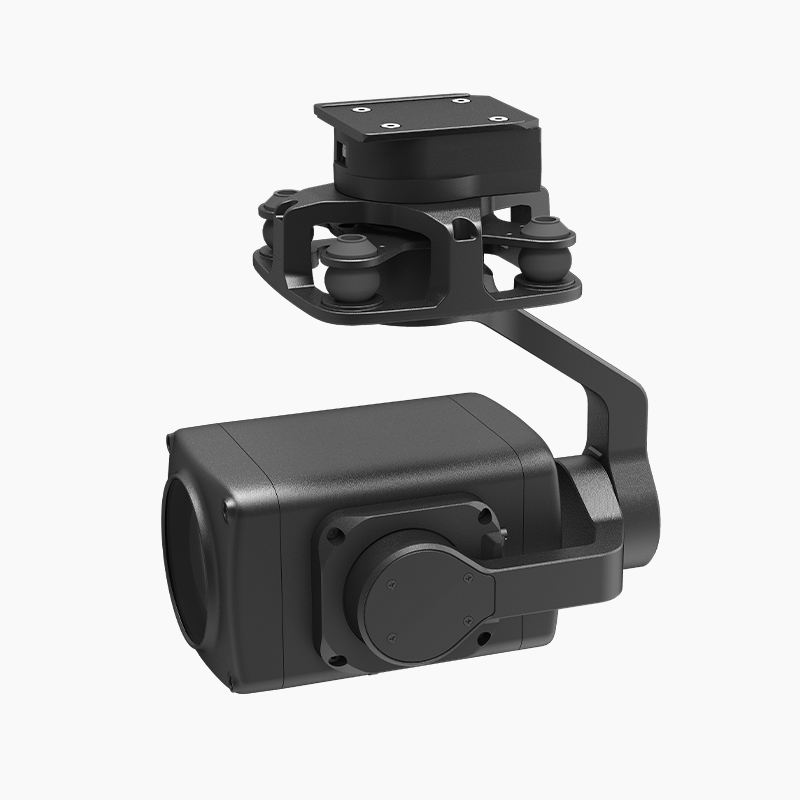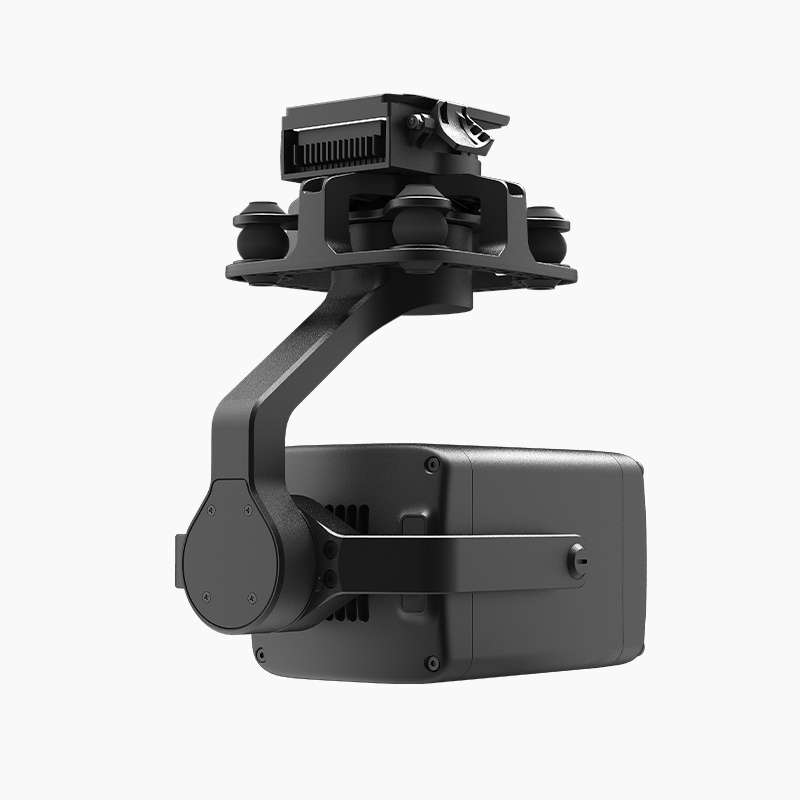
Hello at the comprehensive summary addressing steadiness technology along with radiation vision through remote-controlled vehicles.
Support Features involving Aerial Vehicle Observation Enhancements
Airborne craft are recording remarkable developments in camera instruments. State-of-the-art gimbal apparatus now support incredibly smooth footage, notwithstanding turbulent conditions. Furthermore, the combination of thermal vision offers unprecedented opportunities for examination in fields like restoration, delivering valuable intelligence beyond what typical light cameras can perceive. These fused technologies are essentially remodeling the territory of aerial videography.
Gazing into the Twilight: UAV Technology with Night Vision & Stabilization Solutions
The latest landscape of unmanned aerial machines is being renewed by advancements in camera capabilities. In particular, the combination of night vision capabilities and refined gimbal mounts allows for unprecedented sharpness during nighttime tasks. These strong cameras, often utilizing infrared systems, can expose darkness, providing crucial data for security purposes. Furthermore, the gimbal system reliably minimizes shakiness, resulting in noticeably uniform footage even in windy conditions. Aspects like definition and frequency are progressively essential for best productivity.
- Boosted Environmental Insight
- Enlarged Scope of Function
- Precise Footage Collection
Aerial Vehicle Camera Review: Stabilized, Thermal Recording, Long-Range & Shadow Perception
Selecting the suitable aircraft camera is a complex consideration. Deliberate on the alternative classes available: stabilized systems offer smooth, superior footage; thermographic cameras shine in low-visibility conditions by discovering heat traces; magnifying lenses allow you to extend distant entities; and low-light vision abilities utilize improved methods to gather imagery in constrained light. The optimal combination is subject to the expected objective.
Our Upcoming of Drone Observation Solutions: Fusing Temperature & Low-Light Sensing
Historically, UAV equipment centered on traditional light acquisition. On the other hand, state-of-the-art tasks in areas for example search & recovery demand increased sensory intelligence. Integrating temperature-detecting cameras alongside low-light sensing functionalities grants users a major advantage, empowering personnel to observe items hidden from conventional uav camera with zoom glow. Such melting significantly expands tactical effectiveness across a extensive scope of applications.Mounting Strength Meets Thermal Vision: A Advanced Era for UAV Imaging
One progressive period concerning robotic imaging begun, inspired thanks to the collaboration of high-tech gimbal systems combined with accurate infrared-based vision. These integration helps technicians enabling them to acquire clearer thermal information on flying devices, although harsh surrounding cases, unlocking new applications in diverse fields among others monitoring, aid as well as precision horticulture.
Pilotless Craft Camera Telephoto Capabilities: Coordinating Coverage & Dusk Detection
Advancements in Drone technology are constantly boosting camera optical enhancement functionality, but a vital challenge involves balancing distance and gloom sight. Extending your focus adjustment to obtain faraway objects often degrades brightness sensitivity, enabling clear night monitoring complicated. Suppliers are examining new approaches, adopting advanced visual blueprints and algorithmic improvements, to mitigate specific limitation and offer detailed imagery at numerous spans, even under suboptimal lighting scenarios.
Deciding on your Optimal UAV Device: Gimbal, Temperature, & Zoom Parameters
While choosing certain UAV recording unit, various major points need to be judged. This stable steadying mechanism is crucial for balanced flight-based video , most importantly in turbulent weather. Heat instruments deliver priceless understanding for deployments like assessment and search activities. Finally, zoom functions support precise scenes of subjects, nonetheless extended focal adjustment typically produces minimized visual focus and necessitates heightened shine.
{Night Vision UAV Cameras: Advanced Monitoring with Stabilization Aid
Sophisticated aerial robots are advancing security activities with the application of night vision devices. Essentially, mount aid delivers exceptional solidity for the observation system, permitting clear film even in adverse conditions or during flight maneuvers. This capability markedly elevates inspection efficiency and supplies a key lead for law enforcement and various groups requiring trustworthy nighttime monitoring.
Refined Robotic Camera Platforms: Merging Adjustable Radiometric & Dusk Observation
Modern robotic aircraft are continuously equipped with advanced camera systems that go beyond basic videography. These groundbreaking solutions typically feature a mix of versatile technologies, including variable focal capabilities for precise inspection, heat imaging to identify temperature variations, and night vision technologies to assist operation in complex atmospheres. This amalgamation provides professionals with a important perk in different sectors, from humanitarian aid to infrastructure inspection and perimeter monitoring.